Treatment

Dental crowns

From £1,150

Protect weakened teeth with carefully colour-matched crowns designed for comfort, strength, and longevity.

Overview

A crown should protect your tooth without putting healthy tooth structure at risk.

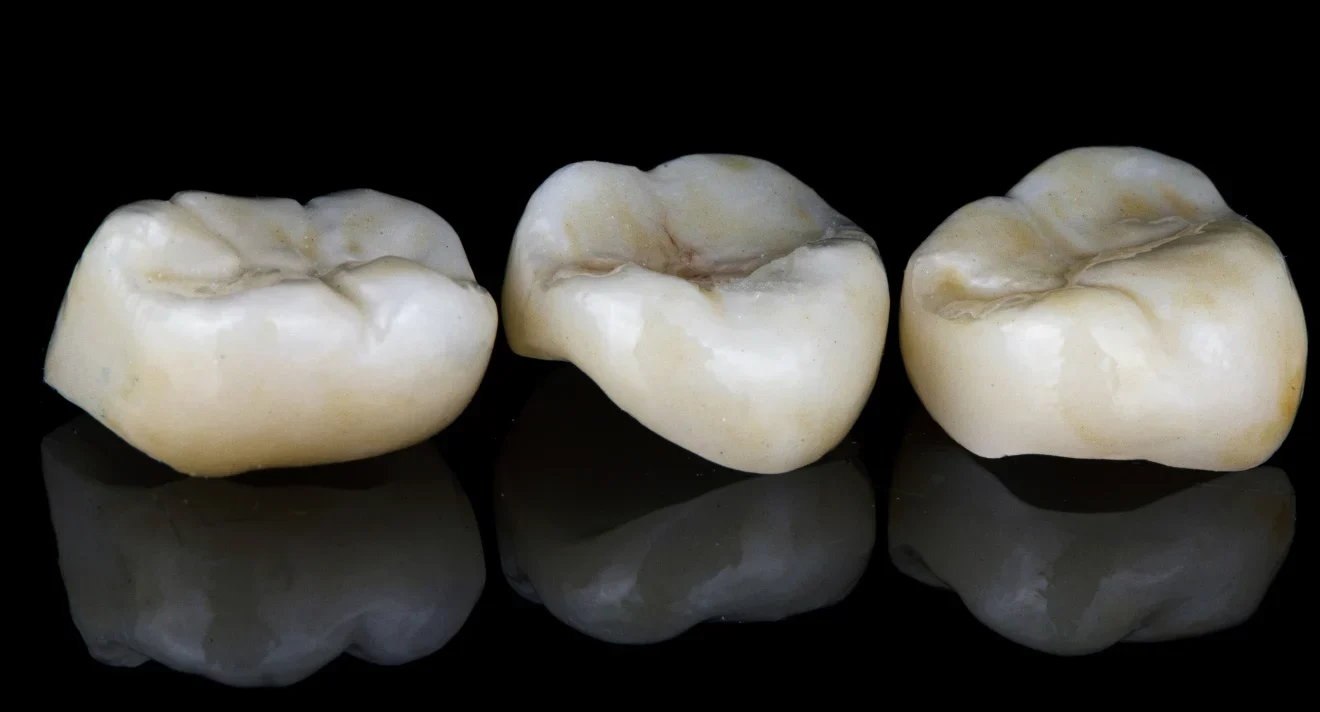
A crown covers a tooth completely, restoring its shape and protecting what remains underneath. For a tooth that has been heavily filled, cracked, or weakened by root canal treatment, it is a well-established and highly reliable solution.

Onlays

An onlay or overlay covers only the parts of a tooth that actually need protecting, typically the biting surface and whichever walls are weak, leaving the rest of your tooth untouched. Modern adhesive materials bond well enough that partial coverage is genuinely dependable for many teeth that would once have been crowned automatically.

Choosing the material

Lithium disilicate - Bond strongly and look excellent. Well suited to front teeth and many back teeth, and usable in thinner sections — which means removing less tooth.

Zirconia - Very strong and suits back teeth and heavy bites. Modern layered zirconia is considerably better aesthetically than earlier generations.

Gold - Removes the least tooth of any full-coverage option, is kind to the tooth it bites against, and has the longest track record in dentistry. Its only genuine drawback is appearance, which makes it an excellent choice for back teeth if that does not trouble you.

Which is right depends on the tooth, how much sound structure remains, how heavily you bite, and what you want it to look like.

What a specialist assessment adds

Most crowns are placed by general dentists and placed well.

Where a restorative specialist adds value is in the cases that are not simple: a tooth that may or may not be worth saving, a front tooth that has to match its neighbour exactly, a heavily worn mouth where crowning individual teeth might be the wrong strategy altogether, or a plan for several crowns where staging and sequence matter. You will get a clear view on whether the tooth is genuinely restorable and whether something less invasive would serve you better.

Process

Two visits, usually.

  1. Assessment

    Examination and a radiograph to check the root and surrounding bone. The decisions that matter: is the tooth restorable, is the nerve likely to be a problem, and is full coverage genuinely needed or would an onlay do.

  2. Preparation and temporary

    The tooth is shaped under local anaesthetic, a core placed if needed, and a scan or impression taken. A temporary crown is fitted, and shade matched — for front teeth sometimes at a separate appointment in daylight.

  3. Laboratory

    The technician makes your crown, typically over two to three weeks. For demanding front-tooth cases the technician may see you directly, which is unusual and occasionally worth arranging.

  4. Fit

    The crown is tried in and checked for fit, contact, appearance and bite. Nothing is cemented until you have seen it and are happy with it.

Suitability

Who this treatment may suit

  • A large filling has failed, or the tooth has broken around it
  • A tooth has cracked, or hurts on biting in a way that suggests a crack
  • Root canal treatment has been completed on a back tooth
  • A tooth has worn down substantially and needs protecting and rebuilding
  • An existing crown has failed, decayed at the margin, or no longer matches

FAQs

Common questions.

How much does a dental crown cost in Guildford?

At Eastdale, gold crowns and onlays start at £1,150, posterior ceramic or zirconia crowns at £1,350, and high-aesthetic front crowns at £1,600. Core build-ups and posts are itemised separately in a written estimate, so you can see exactly what makes up the total.

How long do dental crowns last?

A well-made crown on a sound tooth frequently lasts well over ten years, and many last far longer. What usually ends it is decay at the margin or fracture of the tooth underneath, rather than the crown itself failing.

Will the crown match my other teeth?

That is the aim. Matching a single front crown to a natural neighbour is one of the harder tasks in dentistry and may need a separate shade appointment and a try-in. Shade is agreed with you before anything is cemented permanently.

Will I need root canal treatment as well?

Usually not. Preparing a tooth can occasionally irritate a nerve that was already compromised, and a small proportion of crowned teeth later need root treatment. Where that risk looks high it is discussed beforehand rather than sprung on you.

Can I have a white crown on a back tooth?

Yes. Modern zirconia and glass ceramics are strong enough for back teeth in most circumstances. Where the bite is very heavy the merits of other materials will be raised

Do crowned teeth still get decay?

The crown does not decay, but the tooth beneath it can, particularly at the margin where crown meets tooth. Crowned teeth need the same care as any other, with attention to the gum line.

Callback

Discuss dental crowns with the team.

Share what you are hoping to improve and the practice will help identify a sensible next step.

Request a Callback

Clinically reviewed by Dr Ahmed Jebril on 27 July 2026.